Get Reflective Insulation Service
Reflective insulation services help property owners improve energy efficiency and comfort by reducing heat transfer in projects like attics, walls, and crawl spaces through experienced local contractors.
Reflective insulation services are an effective way for property owners to enhance energy efficiency and improve indoor comfort. If you’re considering upgrades to your home or commercial space, exploring options for reflective insulation can help optimize temperature regulation and reduce utility costs. Local contractors specializing in this work can provide insights tailored to your specific property needs, making it easier to plan your project with confidence.
As you evaluate different solutions, comparing services offered by nearby providers can ensure you find the right fit for your project. Whether you're looking to improve insulation performance or simply exploring your options, understanding the benefits of reflective insulation and how local service providers can assist is a valuable step in your planning process. Keep reading to learn more about how reflective insulation services can support your property goals.
- Attic insulation - needed when homeowners want to improve energy efficiency and reduce heating and cooling costs.
- Commercial building insulation - suitable for businesses seeking to enhance indoor comfort and comply with building standards.
- Industrial facility insulation - required for factories and warehouses aiming to control temperature and improve process efficiency.
- Roof insulation - necessary when upgrading or repairing roofing to prevent heat transfer and protect interior spaces.
- Basement insulation - useful for homeowners looking to prevent heat loss and moisture issues in below-ground areas.
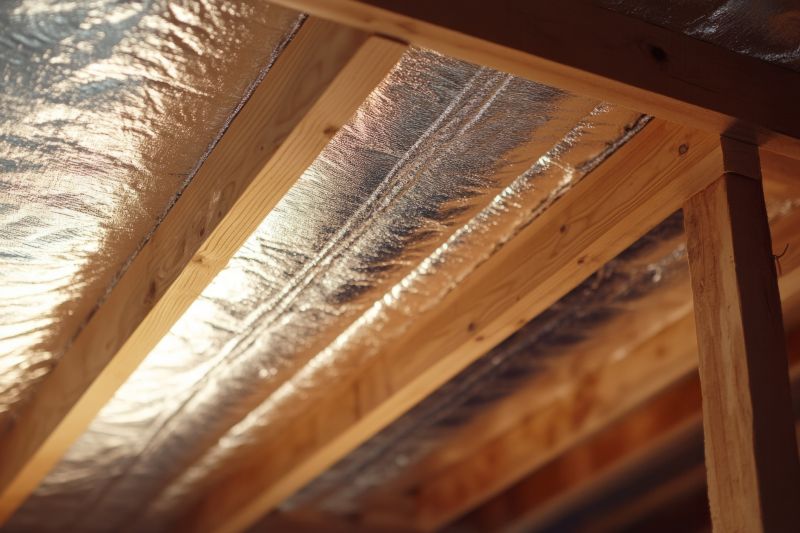
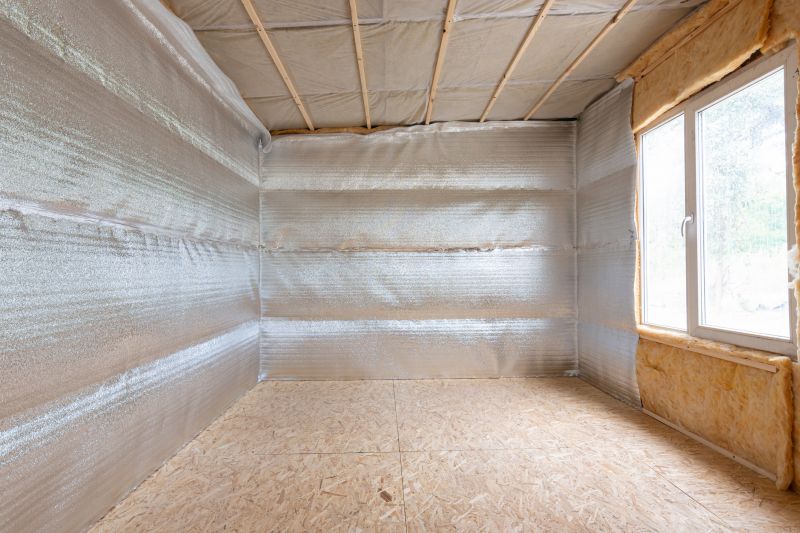
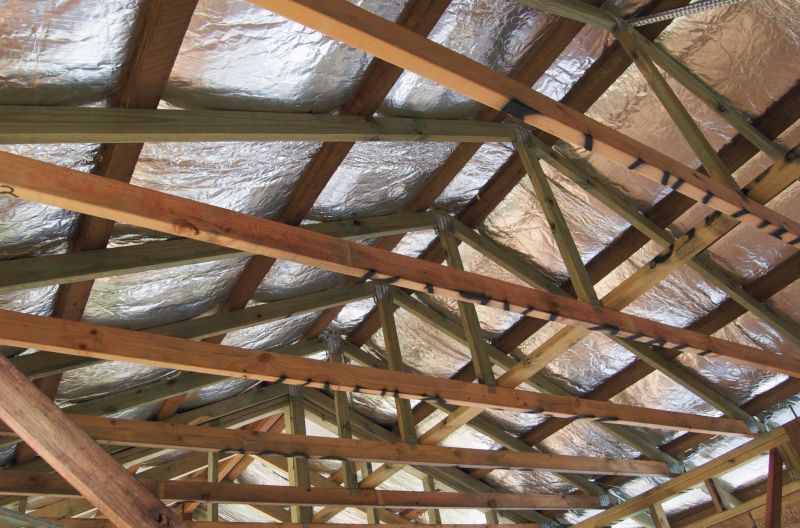
Reflective insulation services involve installing specialized materials designed to reduce heat transfer within a building. This type of insulation typically consists of reflective surfaces, such as aluminum foil, that are installed in attics, walls, or ceilings to reflect radiant heat away from living spaces. The goal is to improve indoor comfort by maintaining more consistent temperatures throughout the year. Homeowners interested in this service often seek a solution that complements traditional insulation methods or provides additional thermal management in specific areas of their property.
This service helps address common problems related to temperature fluctuations, high energy bills, and uneven heating or cooling. When a home experiences excessive heat gain during summer or heat loss during winter, reflective insulation can help mitigate these issues by reflecting radiant heat rather than absorbing it. It is especially useful in climates with significant temperature swings or in properties where traditional insulation alone may not be sufficient to achieve desired comfort levels. By reducing the workload on heating and cooling systems, reflective insulation can also contribute to lower energy consumption.
Properties that typically benefit from reflective insulation include attics, basements, and spaces with high thermal exposure. Many older homes or buildings with inadequate insulation may find this service particularly advantageous. Commercial buildings, agricultural facilities, and some multi-family residences often utilize reflective insulation to enhance energy efficiency and indoor climate control. The service is suitable for various property types where controlling radiant heat transfer can make a noticeable difference in comfort and energy use.
Homeowners who notice hot or cold spots, rising energy costs, or difficulty maintaining a consistent indoor temperature may consider reflective insulation services. This approach is often recommended when traditional insulation methods are in place but additional thermal management is needed. Local contractors who specialize in reflective insulation can assess the specific needs of a property and determine whether this solution is appropriate. Connecting with experienced service providers can help ensure proper installation and maximize the benefits of reflective insulation for a comfortable, energy-efficient home.
The overview below groups typical Reflective Insulation Service projects into broad ranges so you can see how smaller, mid-sized, and larger jobs often compare in your area.
In many markets, a large share of routine jobs stays in the lower and middle ranges, while only a smaller percentage of projects moves into the highest bands when the work is more complex or site conditions are harder than average.
Smaller Repairs - For minor reflective insulation repairs or patching, local contractors typically charge between $250 and $600. Many routine jobs fall within this range, depending on the size and complexity of the area.
Partial Installation - When installing reflective insulation in specific areas such as attics or crawl spaces, costs generally range from $1,000 to $3,000. Larger or more detailed projects tend to push costs toward the higher end of this spectrum.
Full Insulation Replacement - Replacing existing reflective insulation throughout a home can cost between $3,500 and $8,000. Most projects in this category are priced within this range, with fewer reaching into the higher tiers for extensive or complex work.
Larger Commercial Projects - Large-scale or commercial reflective insulation services can vary widely, often exceeding $10,000 and reaching $20,000+ for comprehensive installations. These projects are less common and tend to fall into the upper price brackets based on size and scope.
Actual totals will depend on details like access to the work area, the scope of the project, and the materials selected, so use these as general starting points rather than exact figures.
Attic Insulation Installation - Local contractors skilled in attic insulation can apply reflective materials to improve thermal performance, similar to reflective insulation services.
Roof Insulation Projects - Roof insulation specialists utilize planning and installation techniques that align with reflective insulation methods to enhance building efficiency.
Basement Insulation Solutions - Professionals experienced in basement insulation can incorporate reflective barriers to control temperature and moisture levels.
Wall Insulation Services - Wall insulation providers often use reflective materials as part of their strategy to improve indoor comfort and energy savings.
Duct Insulation and Sealing - Duct insulation experts apply reflective insulation techniques to reduce energy loss through HVAC ductwork.
Commercial Insulation Projects - Commercial contractors working on large-scale insulation projects utilize similar planning and material application as reflective insulation services.
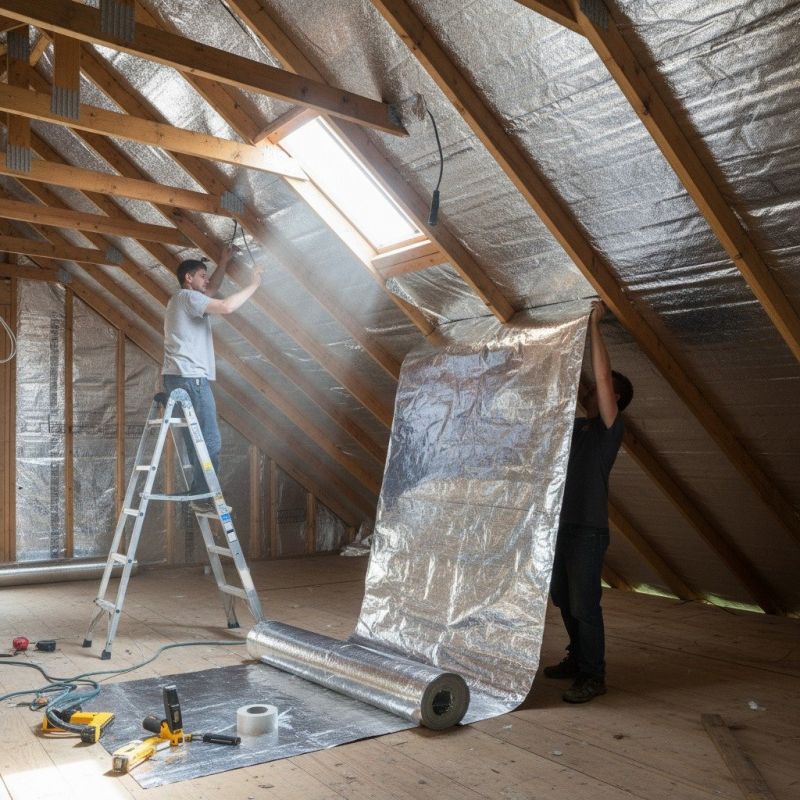
When comparing service providers for reflective insulation, it’s important to consider their experience with similar projects. Homeowners should look for local contractors who have a track record of successfully completing insulation work in residential settings comparable to their own. An experienced professional understands the nuances of different building types and insulation needs, which can help ensure the project is handled efficiently and effectively. Asking about previous projects or seeking out references can provide insight into a contractor’s familiarity with reflective insulation and their ability to deliver quality results.
Clear, written expectations are essential when evaluating potential service providers. Homeowners should seek detailed proposals that outline the scope of work, materials to be used, and the responsibilities of each party. Having this information in writing helps prevent misunderstandings and ensures everyone is aligned on project goals. It’s also beneficial to clarify what the contractor’s process entails, including site preparation, installation procedures, and cleanup, so that expectations are transparent from the start.
Reputable references and effective communication are key factors in choosing a reliable local contractor. Homeowners can ask for references from previous clients to gain insights into the contractor’s professionalism, punctuality, and quality of work. Additionally, good communication-such as responsiveness to questions and clarity in explanations-can make the process smoother and more predictable. While the site introduces homeowners to local options, it’s important to remember that the actual work is performed by these trusted service providers. Comparing these aspects can help ensure a positive experience and a successful reflective insulation project.
Property owners use Reflective Insulation Service services for practical projects around their homes and businesses. This guide focuses on everyday jobs and straightforward project options.
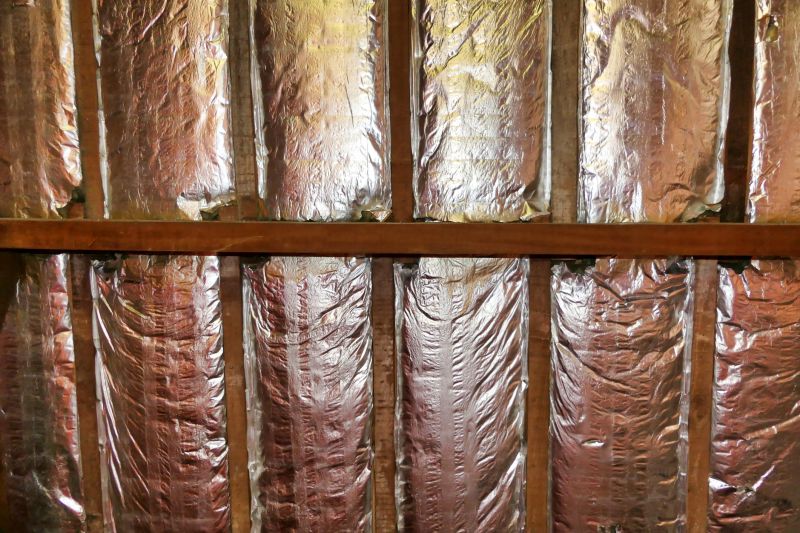
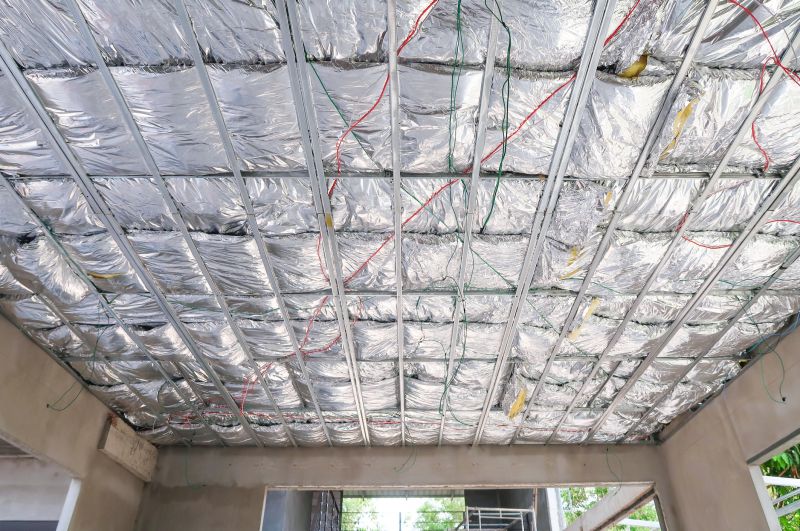
Reflective insulation services are commonly sought after by property owners looking to improve energy efficiency and reduce heating and cooling costs. Homeowners and business owners may consider these solutions when they notice uneven temperatures, drafts, or increased utility bills. Local contractors can provide options to help maintain a more consistent indoor environment, especially during extreme weather conditions or in older buildings where insulation may have deteriorated over time.
Many property owners turn to reflective insulation when undertaking renovation projects or upgrading their existing insulation systems. It can be a practical choice for those wanting to enhance comfort without extensive remodeling. Local service providers can assist with installing reflective materials in attics, walls, or ceilings, offering a straightforward way to improve overall energy performance and indoor comfort.
What is reflective insulation? Reflective insulation is a type of material designed to reduce heat transfer by reflecting radiant heat away from living spaces, helping improve energy efficiency.
How does reflective insulation work? It works by reflecting radiant heat, preventing it from passing through walls, ceilings, or floors, which can help maintain indoor temperature levels.
Where can reflective insulation be installed? Reflective insulation can be installed in attics, walls, floors, and crawl spaces to enhance thermal performance in various parts of a building.
Are local contractors experienced with reflective insulation? Many local service providers have experience installing reflective insulation and can advise on the best options for specific building needs.
What are the benefits of using reflective insulation? Reflective insulation can contribute to energy savings, improved comfort, and better temperature regulation within a building.
Energy Efficiency Improvements - Reflective insulation can help reduce heating and cooling costs by improving a property's thermal performance. Property owners can consider this service to enhance comfort and lower utility bills.
Attic Insulation Projects - Installing reflective insulation in attics can prevent heat transfer, making indoor spaces more comfortable during extreme weather. Local contractors can assist with upgrading existing insulation systems.
Roof and Wall Insulation - Reflective insulation can be added to roofs or walls to reflect radiant heat away, ideal for properties in hot climates or with high indoor temperatures. Service providers can help with installation in various building types.
Renovation and Retrofit Planning - Incorporating reflective insulation during renovations can improve overall building performance and energy savings. Property owners can explore options for upgrading insulation as part of their project planning.
If you are thinking about Reflective Insulation Service for a property, this guide is meant to help you understand the work, the typical project types, and how different options might fit your plans.
When you are ready, you can use the quote form on this page to share a few details about your project. From there, local pros can review the basics and respond with options that match what you have in mind.